1966: A Nation Remembers
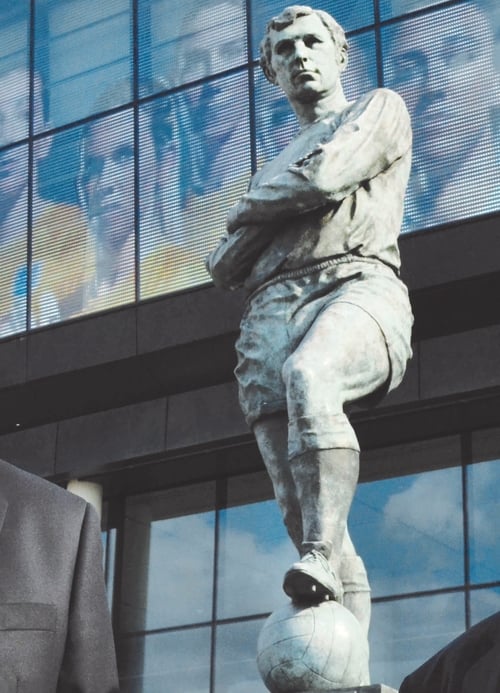
1966 was both the first and only time England hosted - and won - the football World Cup. 30th July was the day of the final, and exactly 50 years to that day later, those people who were there reminisce.
Canonical catalog
1000 titles

1966 was both the first and only time England hosted - and won - the football World Cup. 30th July was the day of the final, and exactly 50 years to that day later, those people who were there reminisce.

At the 1968 Mexico City Olympics, the silent protest of Tommie Smith and John Carlos changed The Games forever, becoming one of the defining images of the 20th century.


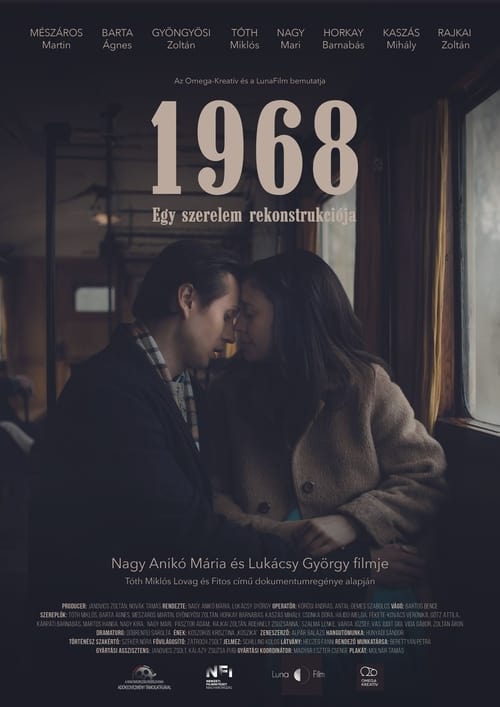
The Tet Offensive during the Vietnam War, the Civil Rights Movement, the May events in France, the assassinations of Martin Luther King and Robert F. Kennedy, the Prague Spring, the Chicago riots, the Mexico Summer Olympics, the presidential election of Richard Nixon, the Apollo 8 space mission, the hippies and the Yippies, Bullitt and the living dead. Once upon a time the year 1968.

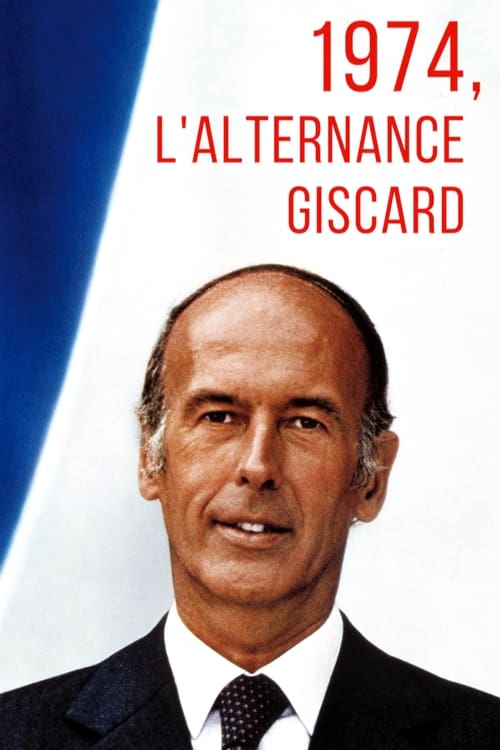
In May 1974, Valéry Giscard d'Estaing became the third President of the Fifth Republic. An alternation of power that did not speak its name opened the doors of power to a reforming president. Abortion, divorce by mutual consent, lowering the age of majority to 18 - in less than two years, the youngest President of the Republic - at the time - carried out reforms with a vengeance, without a united majority in Parliament, before failing in the economic sphere and losing the battle against unemployment. At the age of 90, the former President of the Republic has agreed to look back on these years and gives us a valuable account of his time in power.

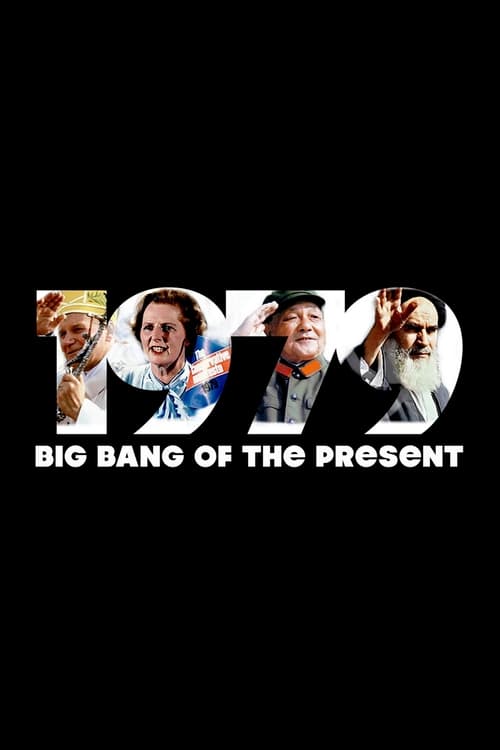
Deng Xiaoping's economic and political opening in China. Margaret Thatcher's extreme economic measures in the United Kingdom. Ayatollah Khomeini's Islamic Revolution in Iran. Pope John Paul II's visit to Poland. Saddam Hussein's rise to power in Iraq. The Soviet invasion of Afghanistan. The nuclear accident at the Harrisburg power plant and the birth of ecological activism. The year 1979, the beginning of the future.

In the 1980s, young people of North African descent born in France and a priest from the Lyon suburbs organized the "March of the Beurs." Launched on October 15, 1983, by seventeen people from the La Cayolle neighborhood in Marseille following a racist crime, the march concluded two months later—on December 3—on the streets of Paris, with 100,000 participants. This movement demanded equal rights. Was their cry heard?

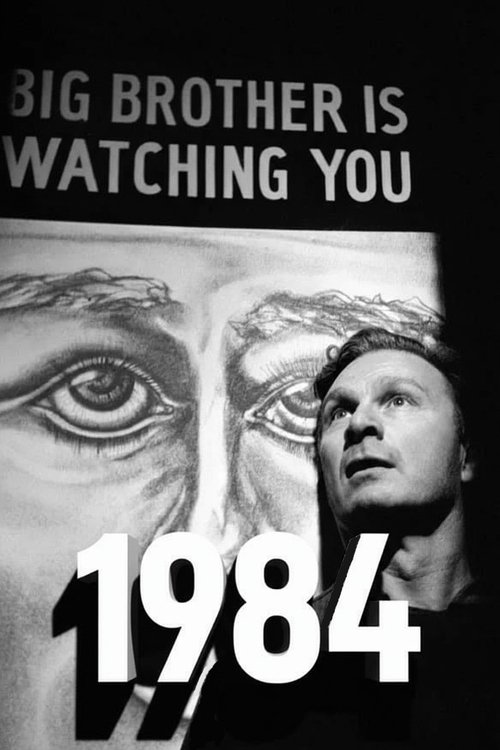
George Orwell's novel of a totalitarian future society in which a man whose daily work is rewriting history tries to rebel by falling in love. Episode 1 of Season 6 of Studio One's anthology series.

March 20, 1995. As Tsurugi Tatsuhiko, head of the hospital's emergency center, walks down a deserted corridor before the start of treatment, nurse Hoshino Nao comes up behind him and starts talking about dealing with late-night emergencies. At the same time, at Kita-Senju Station on the Hibiya Line, Sonoda Naoki, the driver of the A20S train from Kita-Senju to Nakameguro, gets into the driver's seat and performs his usual duties, such as inspections. With Sonoda at the wheel, the train starts moving. However, the passengers gradually start coughing, and some even become ill. One of the passengers presses the emergency button, and the train stops at the next station, Tsukiji, for a check. For some reason, the passengers' feet are wet... When the train arrives at Tsukiji Station and the doors open, passengers who are feeling unwell tumble out onto the platform. When Sonoda came out of the driver's cab, he was shocked by the sight before his eyes...

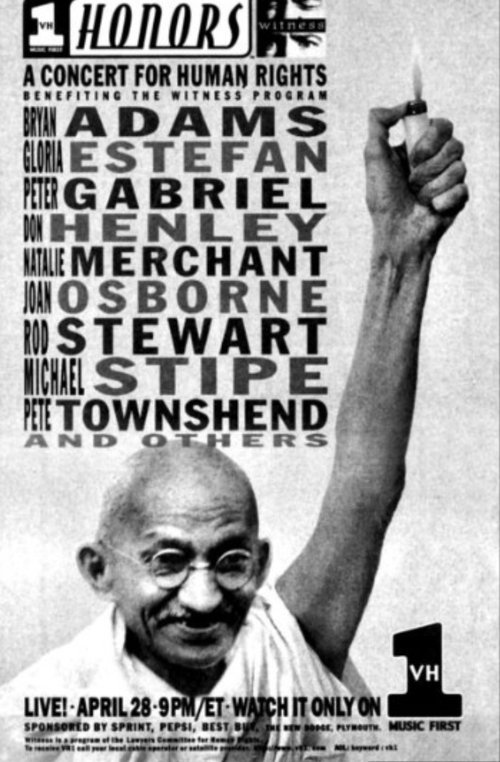
In 1996, VH1 organized a benefit concert for Witness with Human Rights First. Robin Williams filmed a moving message for the concert on the power of individuals and video to document and impact important human rights issues. The global activist organization Witness provides video cameras to human rights groups to document abuses, so it was fitting that rocker Rod Stewart launched Sunday's 'VH1 Honors' tertainment world, with performances by Witness co-founder Peter Gabriel, Bryan Adams, Don Henley, R.E.M. lead singer Michael Stipe (also a Witness co-founder), Natalie Merchant, Gloria Estefan and Pete Townshend. Celebrity presenters included Academy Award-winning actress (and Robbins mate The concert raised $350,000 for Witness, formed in 1992

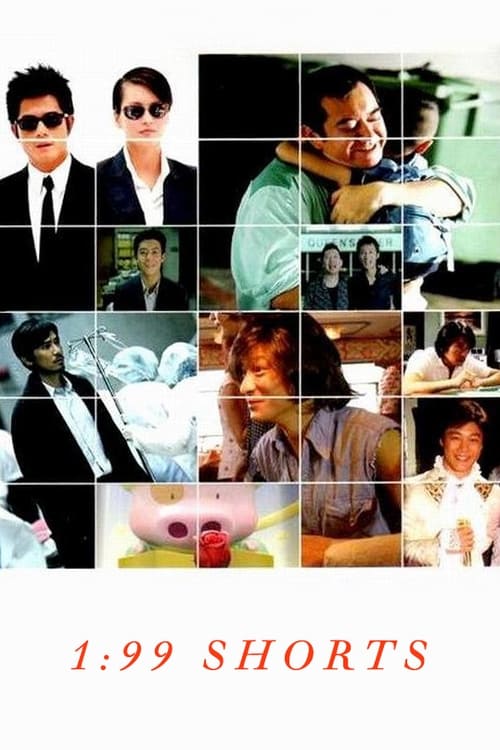
Shorts made by 11 directors in order to fight against the SARS epidemy that occurred in China and Hong Kong in 2003. The shorts were produced by the Information Service Departement of the Government of HK SAR. The aim was to bring back confidence to the HK popuation. The running-time is 1 to 2 minutes for each short.12 Short films: 1-"Rhapsody", director: Johnny To and Wai Ka-fai; 2-"My Sow Is Not Feeling Well", director: Fruit Chan; 3-"Smile", director: Teddy Chen; 4-"Of a Cause" (Animation) director: Tsui Hark; 5-"Hong Kong - A Winner", director: Stephen Chow; 6-"Who's Miss Hong Kong?", director: Joe Ma; 7-"Family of Heroes", director: Alex Law and Mabel Cheung; 8-"Until Then", director: Gordon Chan and Dante Lam; 9- "McDull 1:99" director: Brian Tse; 10-"Spring, 2003", director: Peter Chan; 11-"A Glorious Future", director: Andrew Lau and Alan Mak; 12-"Making of 1:99", director: Wong Shou-Ping.
Two fathers and a bachelor decide to share a big house to lower expenses and help relieve loneliness, but the children involved are less than happy about the arrangement as friction and humorous problems develop rapidly.

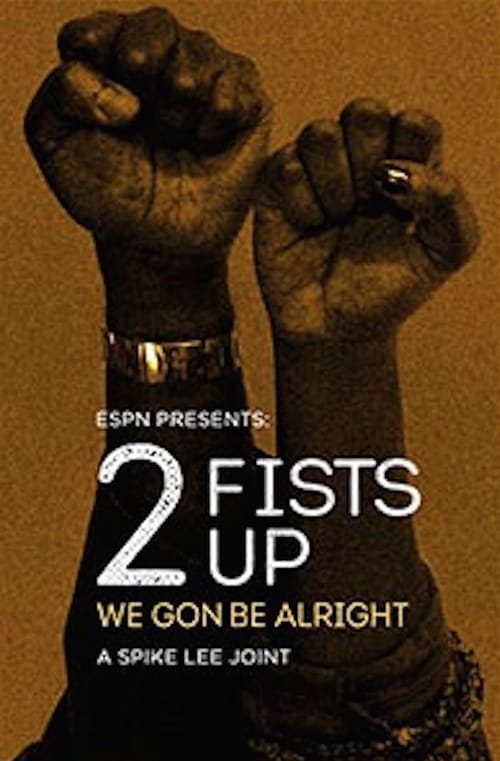
When University of Missouri football players threatened to boycott their game with Brigham Young University last November unless president Tim Wolfe resigned, they made news far beyond the sports pages and Columbia, Missouri. But that was only one chapter in a tale that began long before that - a tale that director Spike Lee unspools in this Lil' Joints documentary for ESPN Films. Yes, the athletes played a significant role in forcing Wolfe's resignation, but it was really the female organizers of the Concerned Student 1950 movement, as well as a man, Jonathan Butler, willing to starve himself, who stood tallest in the confrontation with institutional racism at Mizzou. Indeed, their courage and resolve brings hope to the message chanted at the end of the film: "We gonna be all right."

Once again, a few years have passed when old friends Patrick and Maltemeet again. Patrick shows up completely unexpectedly at Malte's mobile home, which is parked on a cliff on the Baltic Sea, in the middle of a deserted restricted area.

Heroine Gu Meihui's husband died and left a pile of debt, in order to fight for their own rights and interests, in the play to do all kinds of strange move to collect debt to the black boss, just want to return everything that belongs to their own, in the process of knowing civil servants Xu Rufang and her husband Zhao Guohao, three people launched a series of small shrimp against the whale of debt action.

What hurts more: losing the wife to her younger lover after 21 years of marriage or having to share a lottery win with her after the breakup? The parcel carrier Henry doesn't want to give up half of his unexpected wealth because of the divorce. While his wife Ellen wants to make a clean break with the new beginning, he tries to save the long-hopeful marriage, but only on paper. The disappointment hurts too much to share the cash fairly! Neither his own daughter, who needs money for a journalism school, nor his best friend Mehmet know about the new fortune. His "favorite colleague" Mona either doesn't like the fact that Henry doesn't tell her the truth. She doesn't really recognize Henry anymore, with whom she has fallen in love. Ellen is also surprised that Henry, who is chronically exhausted, can afford an expensive racing horse. But there's a reason for the secrecy, because Henry wants to make his dream come true to win the Grand Prix of Germany. His maxim: Believe in losers too!

At a lakeside hotel, Michel Piccoli discusses the centennial of cinema with Jean-Luc Godard. Godard asks why should cinema's birthday be celebrated when the history of film is a forgotten subject. Through the remainder of his hotel stay, Piccoli tests Godard's hypothesis.

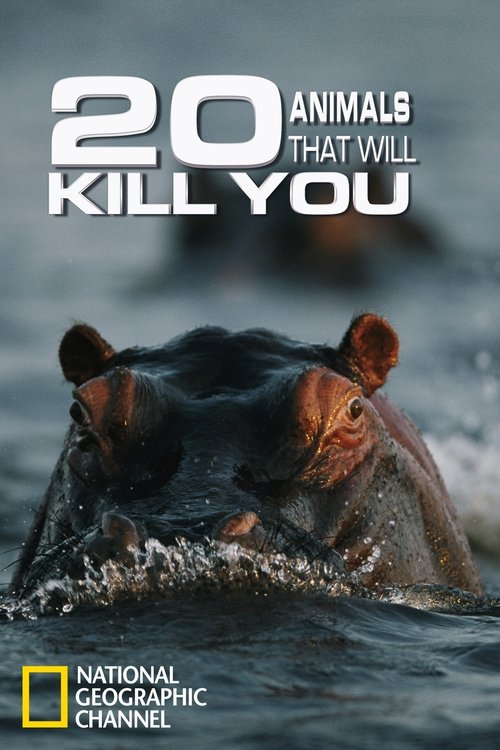
Wild animals kill people every day - but the most dangerous creatures aren't always what you think. From tigers to mosquitos, animals can kill in a multitude of ways.

28-year-old Taeko Kase works at an event company. One day, she makes a mistake at work and is reprimanded by her boss Hiroki Itokawa. Making things worse, Taeko Kase is dumped by her boyfriend. Later, Taeko Kase follows the recommendation of cafe clerk Haruto Takagi’s and joins a dating app. With Haruto Takagi’s advice, she decides to meet Makoto Hasegawa from the app.

A compilation of 12 news programs from Groland.

The film features clips looking at the successes, upsets and moments that caused drama in different talent shows.

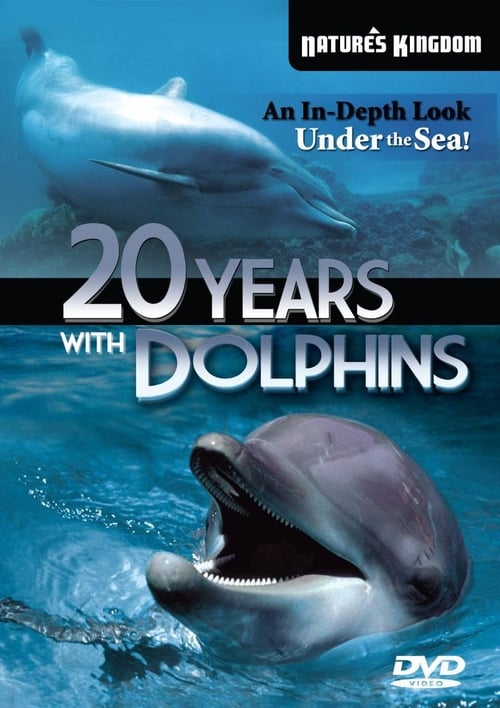
An in depth look at the undersea life of dolphins