Movie· 2025· Released
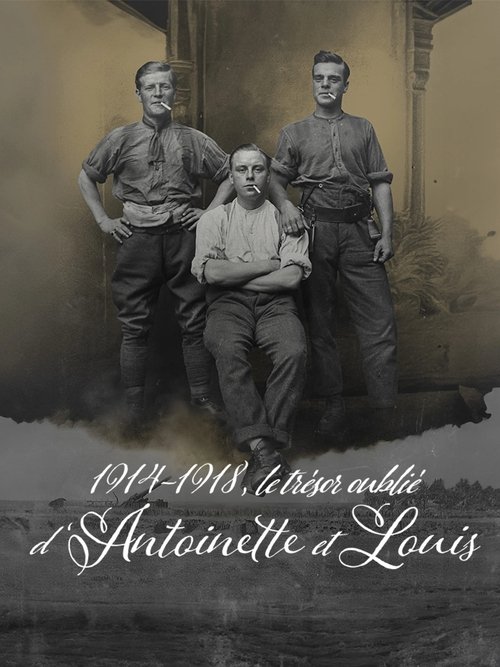
1914-1918, le trésor oublié d'Antoinette et Louis
tmdb
DocumentaryHistoryWar
Provider ★ 7.3·0 tracking
Canonical catalog
1000 titles
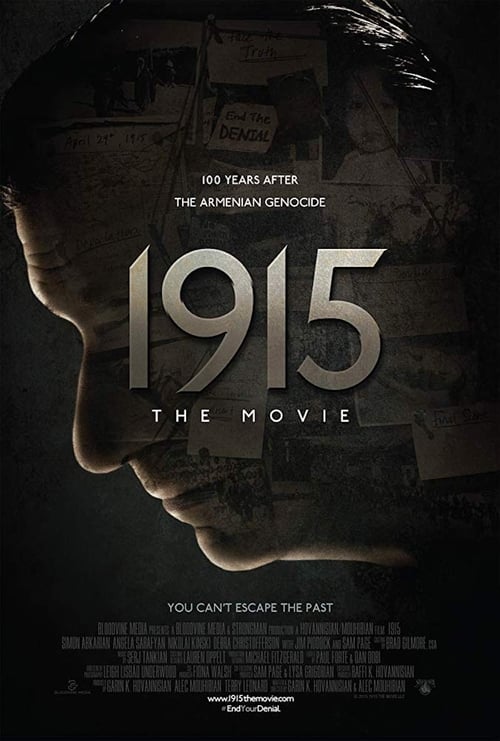
Exactly 100 years after the Armenian Genocide, a theatre director stages a play to bring the ghosts of the past back to life.
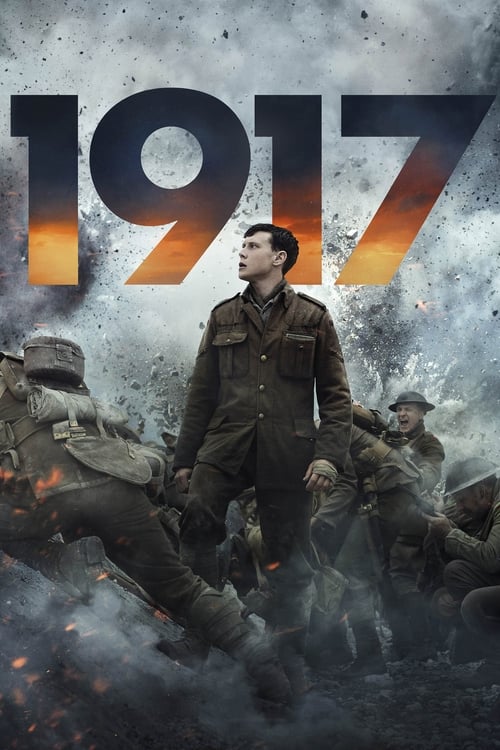
At the height of the First World War, two young British soldiers must cross enemy territory and deliver a message that will stop a deadly attack on hundreds of soldiers.
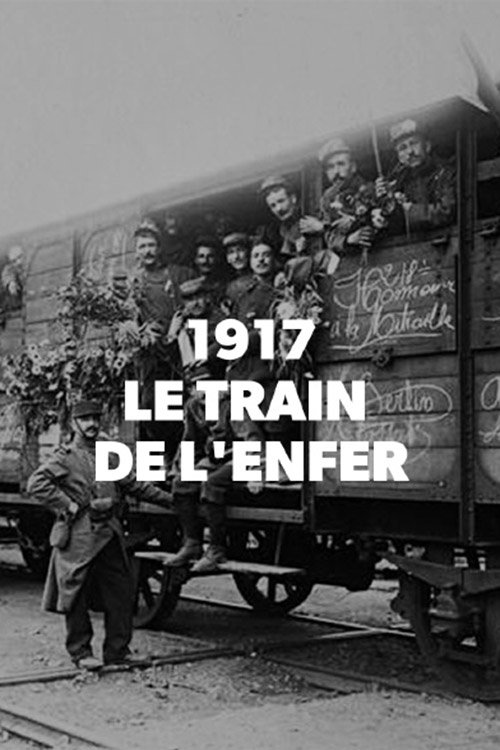
1917, The Train from Hell is an historical documentary about a train accident during WW1.
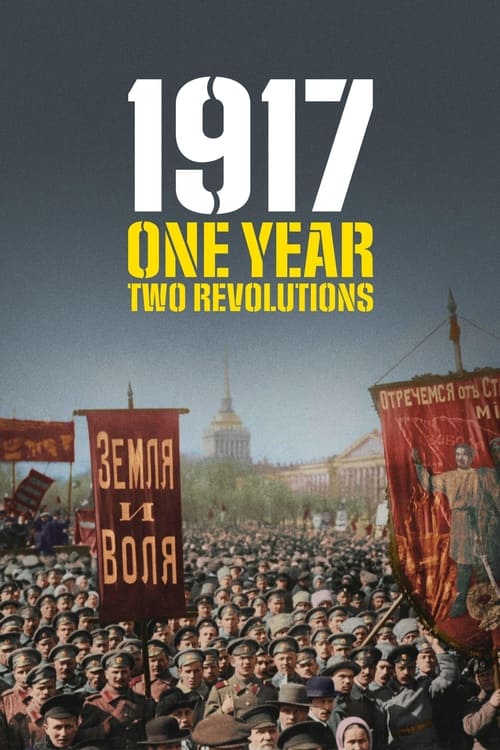
In February 1917, Imperial Russia plunges into revolution. Nine months of unrest before a coup brought about an upheaval that changed the course of history and profoundly altered the future of civilisation.
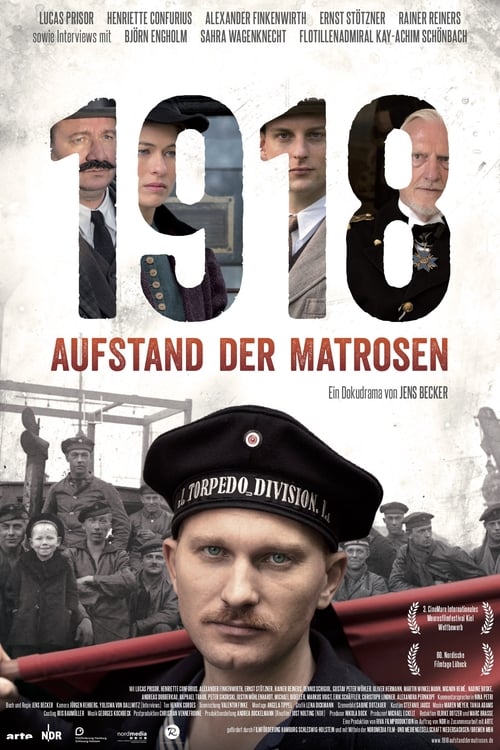
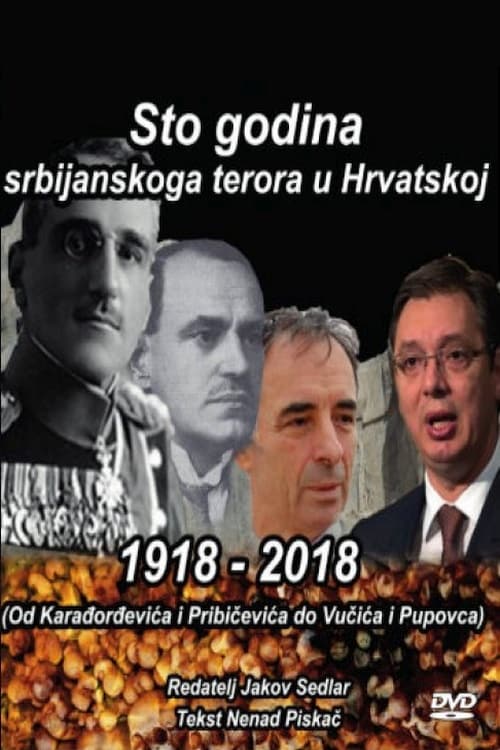
Chronicles the Serbian terror in Croatia through several historical periods: the Serbian occupation of 1918., the establishment of Independent State of Croatia (NDH), uprising against NDH, re-establishment of communist Yugoslavia, uprising against modern day Republic of Croatia during the Tudjman decade (1991. - 2000.) and the period between 2000. - 2018. during which the myths of "Greater Serbia" and Yugoslavia are restored, financed and spread.
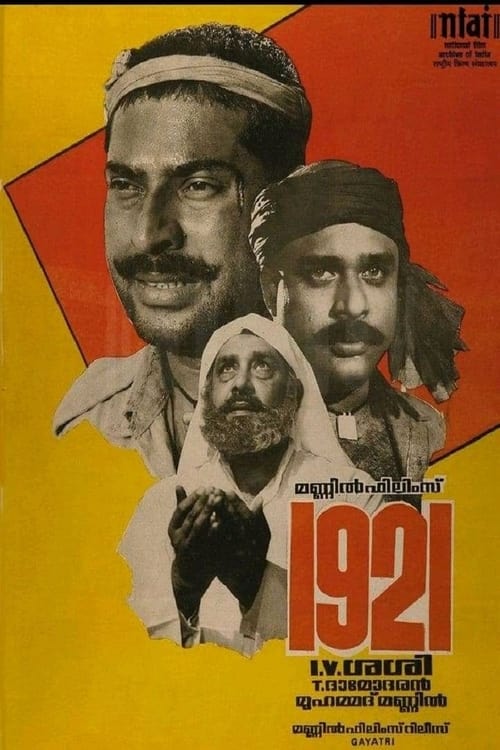
The Malabar rebellion, more popularly known as the Mappila Lahala, has a dramatic impact on the lives of everyone involved.
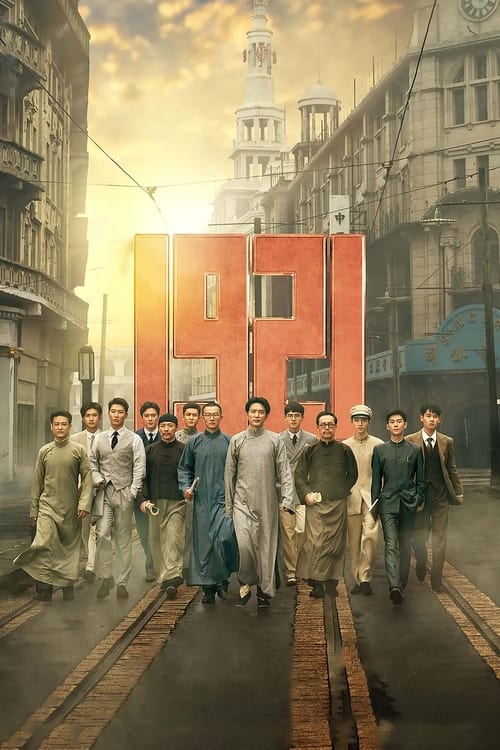
Tells the story of a Communist Party's early history during the turbulent era, examining the remarkable Chinese revolutionary leaders' zeal and contrition for the ascension of the Chinese people.
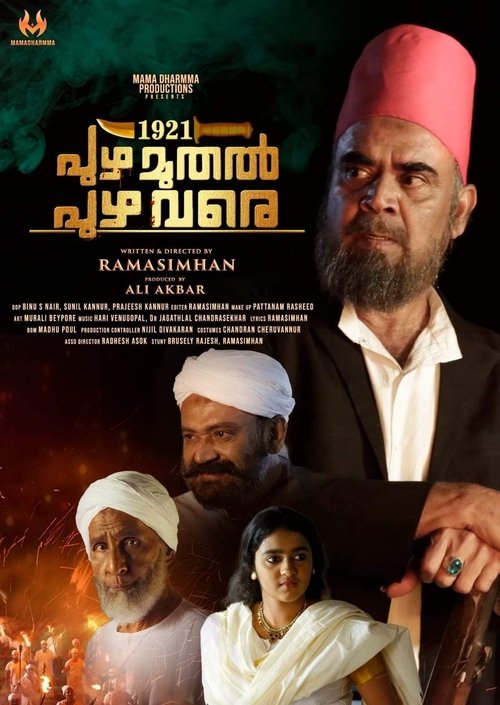
Islamic extremist Variyankunnath Kunjahammad Haji spurs the Malabar riots of 1921 and the Hindu genocide.

Based on the book by Ilias Venezis "The Number 31328", the film by Nikos Koundouros unfolds through the personal tragedies of three characters, the Asia Minor Disaster and the agonizing travails of the Asia Minor Greeks who had been arrested and led to death by Kemal's troops and armed groups of Muslims. The wife of a merchant, a teacher and a seventeen-year old boy try to survive, following the column of prisoners into the depths of Asia Minor.
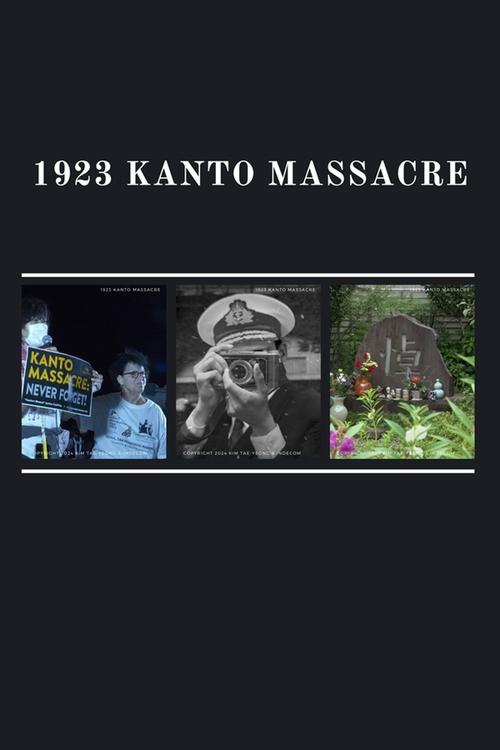
The Great Kanto Earthquake of 1923 marked a moment of unprecedented material destruction and cultural rupture in modern Japan. The disaster soon became subject to human interpretation and political manipulation as the earth tremors and subsequent fire produced not only physical chaos but also the rumors and violence against Koreans revealing what was fearful and why. After a century, this documentary reconstructs the course of this mayhem against the colonized, and traces the ways in which the story of this genocidal violence has long been covered up, haunting those whose lives were never the same after encountering the forbidden truth.

Inspired by true events, in the winter of 1924 Kolkata, amidst the fervour of the Indian Nationalist Movement, an 18-year-old torn between personal convictions and the call for national duty is recruited by a seasoned freedom fighter. Tasked with a pivotal mission against the British, the boy's internal conflict escalates when he's required to prove his loyalty through the assassination of a British informant. As the consequences of his actions unfold, the narrative intricately weaves the fate of an orphaned little girl into the tapestry of loyalty, sacrifice, and the relentless struggle for independence. Set against the socio-political turbulence of the era, this historical drama delves into the profound choices individuals make within the complex fabric of a nation's fight for freedom and intertwines the tumultuous events of the Indian Independence Struggle with the haunting realities of children caught in conflict zones.
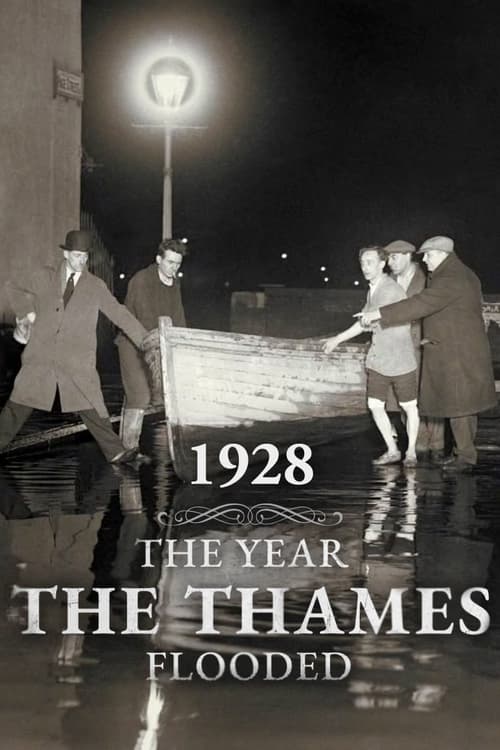
Exploring one of the most devastating but little-known disasters in London's history, this documentary reveals the shocking events that unfolded during the fateful Thames Flood of 1928.
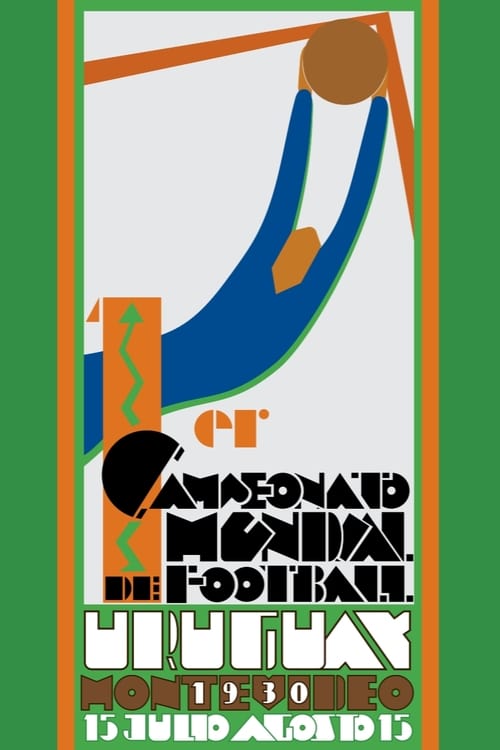
A unique and historically valuable addition to the Official Films Collection, these 14 minutes of material predate television and provides both black and white and colour coverage of the first ever FIFA World Cup™. There are five minutes of material from the final in colour, providing a record of Uruguay’s victory in 1930.
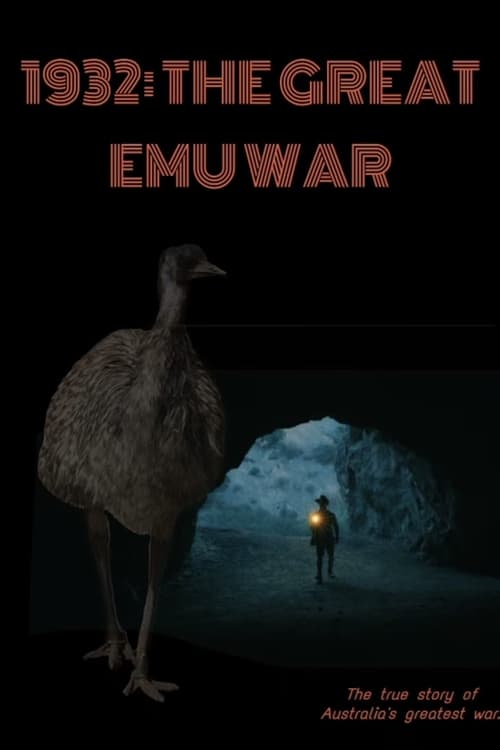
This short film involves a dramatic retelling of Australia's actual war against their own national bird, two soldiers fight for their lives to escape a horde of bloodthirsty emus after a surprise attack. Link for movie : https://www.youtube.com/watch?v=dkmflJne_yU
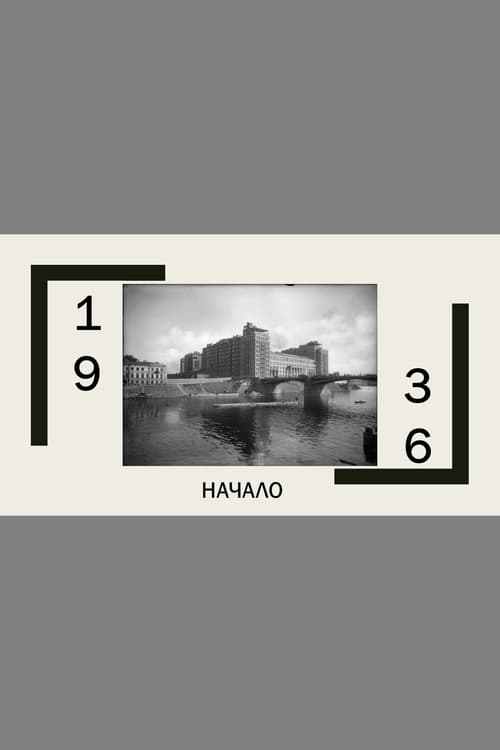
December 1936. The elite First House of Soviets, the House of the Central Executive Committee and the Council of People's Commissars of the USSR (now "House on the Embankment"). The Soviet elite is not yet aware of the massive repressions that will take place next year. The nighttime disappearances of neighbors are regarded as transfers thereof to important tasks of the Communist party. Yakov Natanovich Brandenburgsky, a famous lawyer and employee of the Supreme Court, is included in the "album" lists of the NKVD of the USSR and, being a creative person, finds a way to save his family and himself from "night arrest".
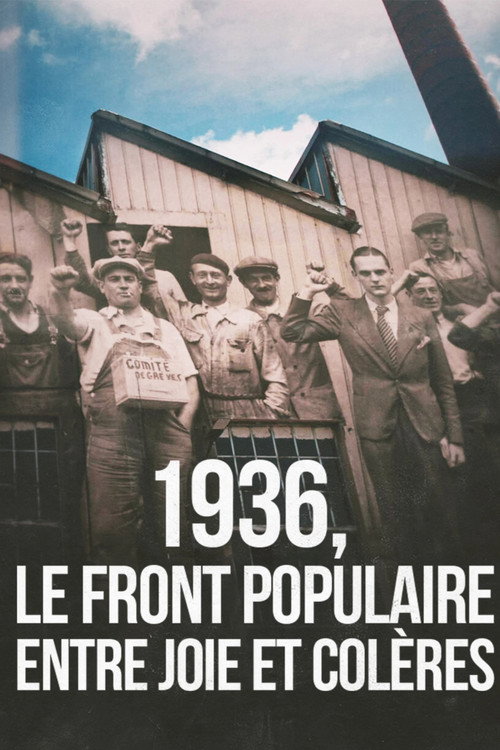
This brief period in French history (1934–1938), known as the “Popular Front,” has left an indelible mark on the nation's collective memory. Set against the backdrop of a polarized and divided France, this film chronicles a social and cultural revolution, traveling back in time to uncover the places, testimonies, and hidden archives of this formative experience that permanently transformed French society.

A chronicle of the Mexican oil expropriation in 1938 through the eyes of President Lazaro Cardenas and journalist Alberto Miranda.
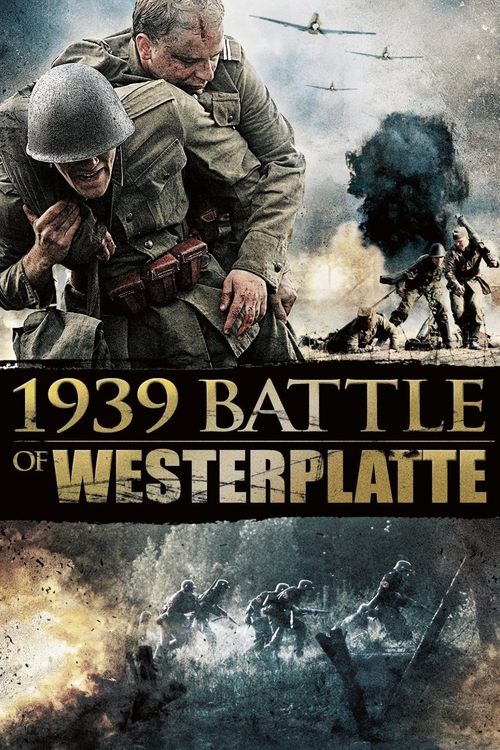
September 1st, 1939. German battleship Schleswig-Holstein marks the start of World War II by firing on the garrison stationed at the Westerplatte peninsula in Poland.
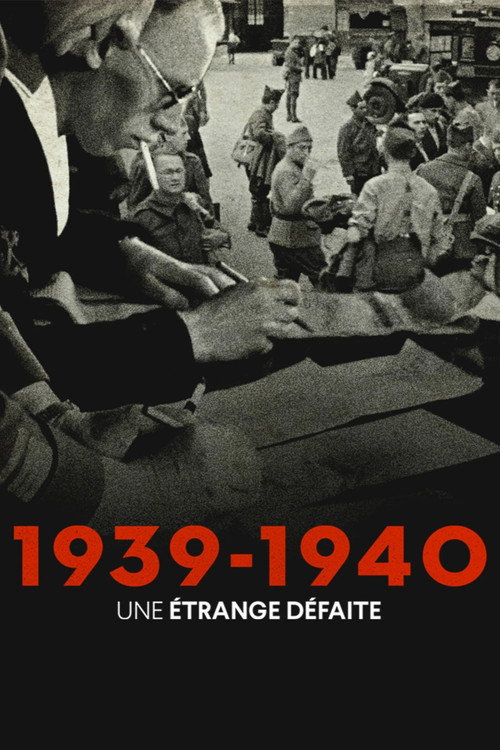
In late summer 1939, the French learned that Adolf Hitler had attacked Poland. On September 3, France entered the war, twenty years after the carnage of World War I. Although France was considered the world’s leading military power, with a vast empire and a powerful ally in the United Kingdom, everyone was overcome with a sense of dread. Yet the fighting would not begin until May 1940 and would end with France’s defeat in June. How did the French people experience those few months—among the most decisive and darkest in the country’s history?
