1986 Summer
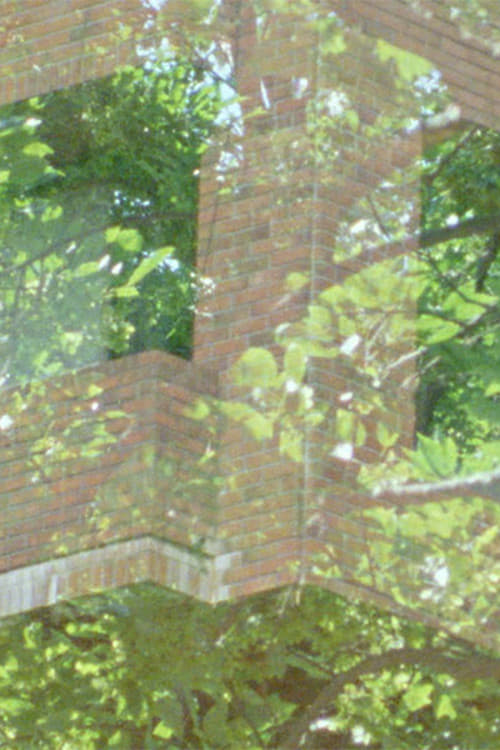
A previously unseen short by the Japanese avant-garde titan, Toshio Matsumoto's 1986 Summer locates faces and bodies within superimpositions, zooms, a lightning-fast montage of brick structures and verdant trees.
Canonical catalog
1000 titles

A previously unseen short by the Japanese avant-garde titan, Toshio Matsumoto's 1986 Summer locates faces and bodies within superimpositions, zooms, a lightning-fast montage of brick structures and verdant trees.

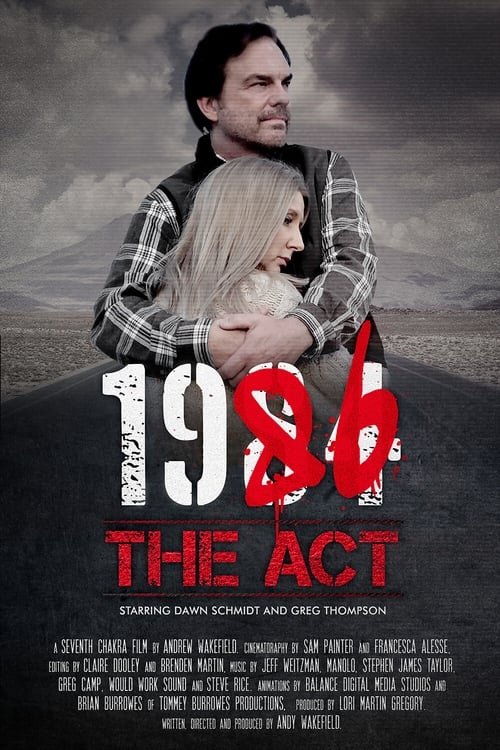
Man and microbe, from Polio to COVID19... a never more relevant forensic examination of the 1986 National Childhood Vaccine Injury Act and its consequences. What happens when an ancient wisdom – a mother’s intuition - is pitted against powerful interests in a race against time?

We were at it for seven years. My mother and I. Trying to make the perfect image of me.

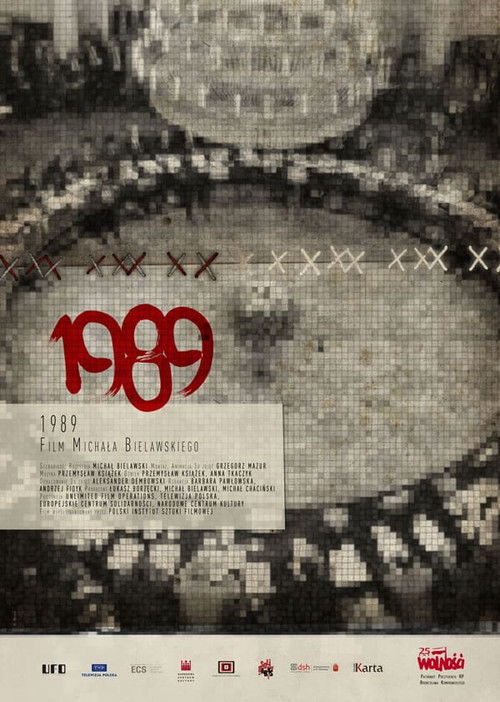
Such changes took place in Poland over a period of several months - from the end of 1988 to the end of January 1990? Michał Bielawski, through the prism of official and underground archives, shows the then state of mind of Poles, their fears, hopes and reflections. Film materials from the 1988-1990 period are in harmony with the photographs and diaries written by Poles at that time, as well as with the messages about the changes taking place. We observe the most important political, social and moral events of that period, confronted or reinforced by the comments of their active observers: ordinary people, politicians of the government camp and oppositionists.

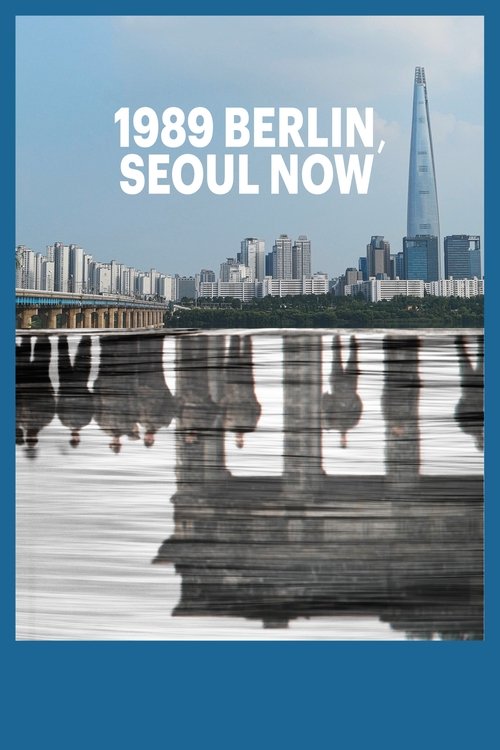
On 9 November 1989, the Berlin Wall fell. Andreas, Marc, and Sonya, as young people at the time, had to face the sudden unification head-on. After leaving Germany, they are currently living in Korea as a pianist, a film production manager, and a researcher at Samsung Electronics respectively. When a mood of reconciliation between South and North Korea is developing in 2018, they are hopeful that they may face a second reunification. They come to think that North and South Korea of today bears subtle resemblance to East and West Germany in 1989 beyond time and space···.

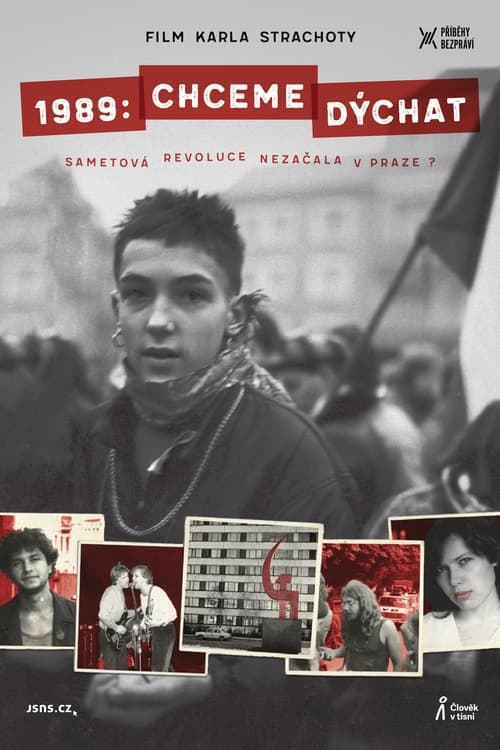
During the so-called normalization period, Teplice, once a beautiful spa town nicknamed "Little Paris," is devastated, much like the entire northwestern industrial border region. It is often shrouded in dense smog, making visibility limited to just a few meters. Teplice is also a stronghold of a specific punk subculture and a city of exceptional alternative culture. The story of Pavel and Renata primarily unfolds in Teplice. They aspire to live freely, in accordance with their ideals. However, their lives are consistently disrupted by the repressive communist regime.


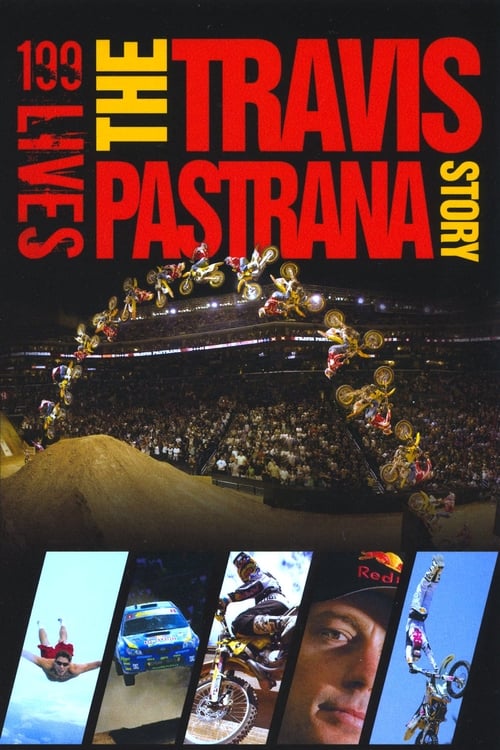
The story of Freestyle Motocross legend Travis Pastrana is told through action-packed race footage, rare personal film, interviews with Pastrana and his family, and much more.

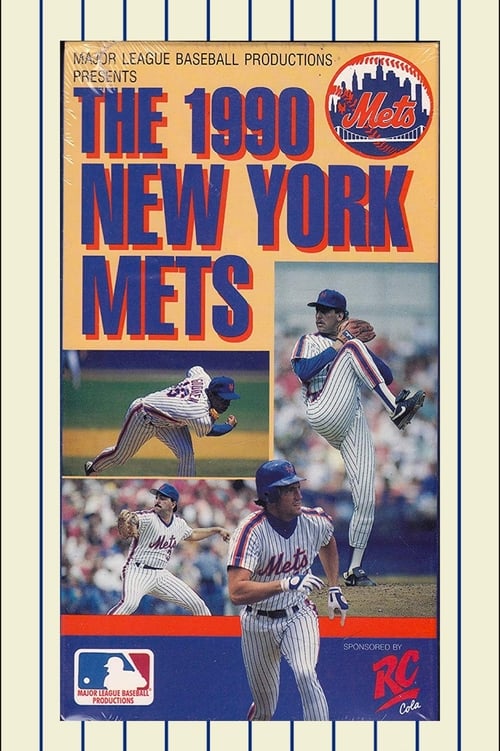
In 1990, the Mets once again proved to be one of the most consistent teams in baseball-battling for the division title to the end- winning more than 90 games for the sixth time in seven years.


David Markey's documentary of life on the road with Sonic Youth and Nirvana during their tour of Europe in late 1991. Also featuring live performances by Dinosaur Jr, Babes in Toyland, The Ramones and Gumball.

Documentary about the coup d'état by Hugo Chávez against the government of Carlos Andrés Pérez, in Venezuela.

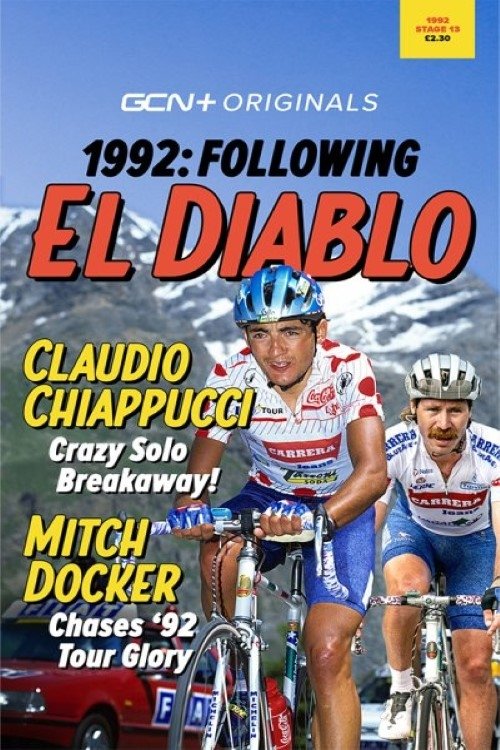
Setting out from Saint Gervais, Mitch Docker is embarking on an epic challenge to emulate one of the greatest rides in Tour de France history; Claudio Chiappucci’s crazy solo breakaway through the Alps to victory in the 1992 edition of the race. 250km, over 7000 metres of elevation, 5 brutal Alpine mountains, and the blistering heat of the French Summer lie ahead of Mitch as he undertakes the toughest bike ride of his life. As Mitch rides South through the mountains, he’ll have to suffer over the Col des Saises, the Cormet de Roselend, the Col de l’Iseran, the Col du Mont Cenis, and the brutal final climb up to Sestriere. To make this challenge even harder, he’ll be riding a replica of Chiappucci’s ‘92 Carrera - complete with a heavy steel frame, down tube shifters, and rim brakes!


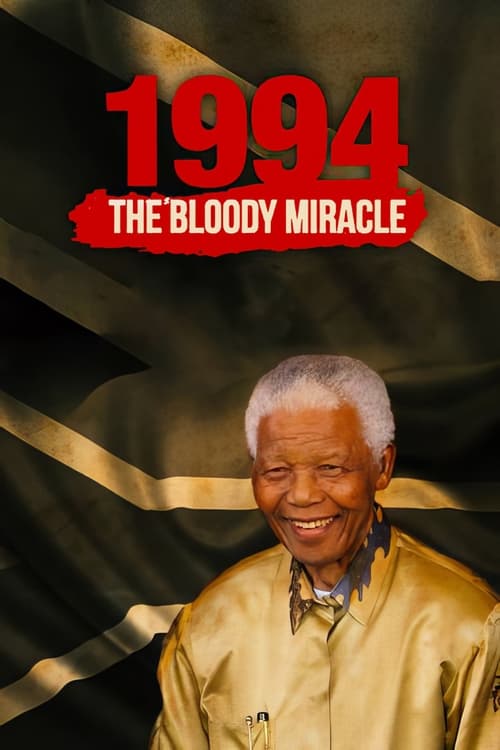
As South Africa celebrates its 20th anniversary of the advent of democracy in 1994, it is difficult to believe the ‘Mandela miracle’ nearly didn’t happen. In an orgy of countrywide violence, some were intent on derailing the first free elections. Now, for the first time, those responsible for countless deaths and widespread mayhem explain how they nearly brought South Africa to its knees. 1994: The Bloody Miracle is a chilling look at what these hard men did to thwart democracy, and at how they have now made an uneasy peace with the ‘Rainbow Nation’ in their own different ways.

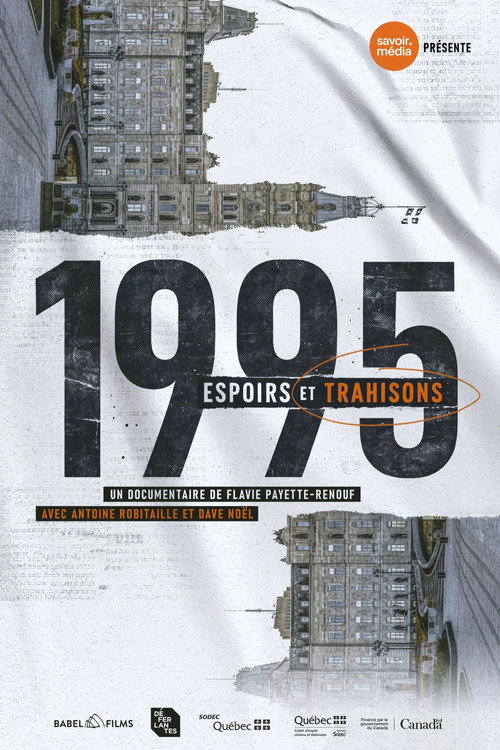
In 1995, Quebec faced a harrowing choice: remain part of Canada or establish itself as a separate country. The future of a nation and a lifelong dream were at stake in this referendum. Through interviews and analysis, journalists Antoine Robitaille and Dave Noël delve into the secret strategies, fierce rivalries, and political maneuvering of both sides.

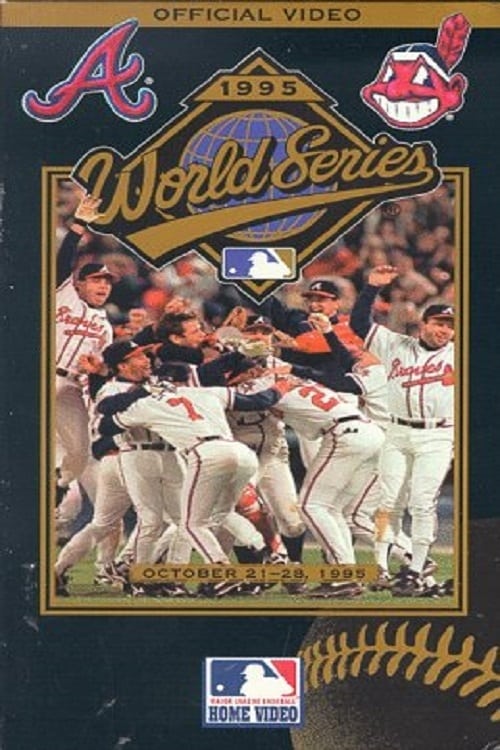
The 1995 World Series featured the two best teams in baseball. The Cleveland Indians won 100 games in a shortened season, and they made it to the World Series for the first time in 41 years. The Atlanta Braves had been here before, twice in the previous four years. With the best pitching staff in baseball, they were called the team of the '90's. Still they needed a World Series Title to claim that crown. This official documentary of the 1995 World Series includes all the dramatic moments of the six-game battle between the Indians and the Braves including: Eddie Murray's game-winning single at frenzied Jacobs Field. Orel Hershiser's gutsy performances against the incredible Greg Maddux. Dave Justice talking the talk...and then walking the walk. Tom Glavine, the series MVP, pitching one-hit baseball under phenomenal pressure.

March 20, 1995. As Tsurugi Tatsuhiko, head of the hospital's emergency center, walks down a deserted corridor before the start of treatment, nurse Hoshino Nao comes up behind him and starts talking about dealing with late-night emergencies. At the same time, at Kita-Senju Station on the Hibiya Line, Sonoda Naoki, the driver of the A20S train from Kita-Senju to Nakameguro, gets into the driver's seat and performs his usual duties, such as inspections. With Sonoda at the wheel, the train starts moving. However, the passengers gradually start coughing, and some even become ill. One of the passengers presses the emergency button, and the train stops at the next station, Tsukiji, for a check. For some reason, the passengers' feet are wet... When the train arrives at Tsukiji Station and the doors open, passengers who are feeling unwell tumble out onto the platform. When Sonoda came out of the driver's cab, he was shocked by the sight before his eyes...

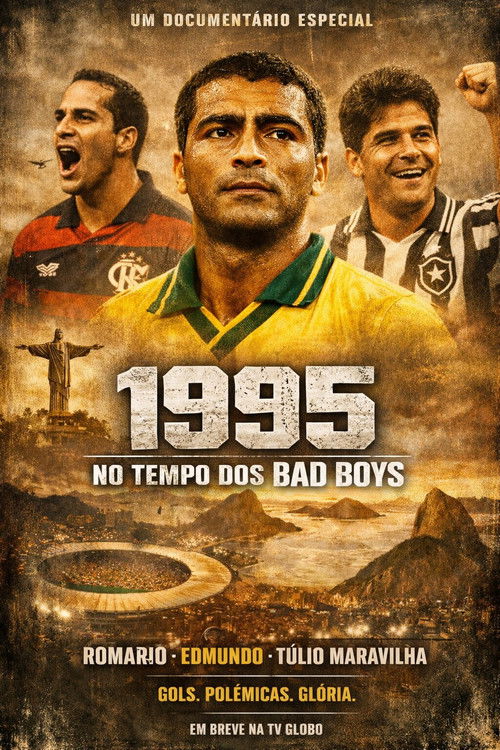
A striker who challenges the best in the world and sings that the rival fan is a fool. A footvolley duel at night, on the eve of a classic match on the sands of Ipanema. A star player who proclaims himself a god against the kings of Rio and says that his rival is a piece of shit. It all seems so distant, because it is. But those were just a few ordinary days in Rio de Janeiro football in 1995.

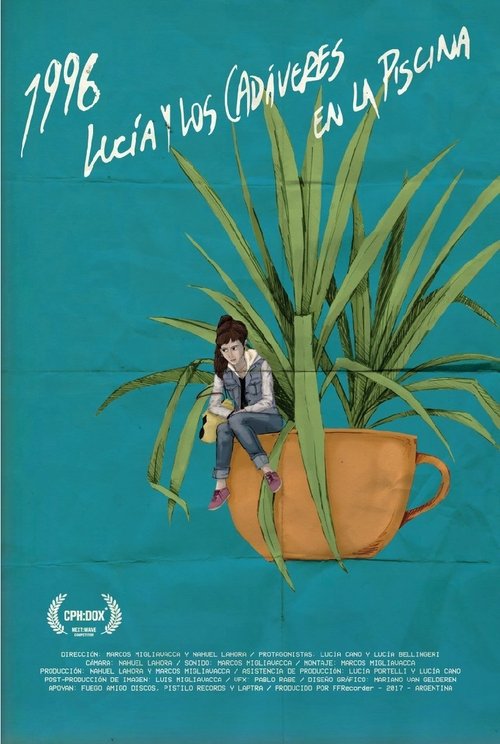
A humorous and surprising Argentinian experiment in lo-fi aesthetics about a girl's trip to an alternative music festival.

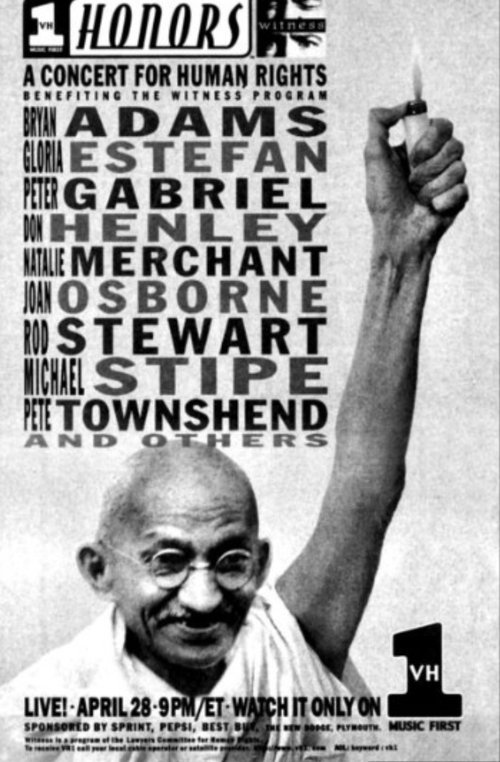
In 1996, VH1 organized a benefit concert for Witness with Human Rights First. Robin Williams filmed a moving message for the concert on the power of individuals and video to document and impact important human rights issues. The global activist organization Witness provides video cameras to human rights groups to document abuses, so it was fitting that rocker Rod Stewart launched Sunday's 'VH1 Honors' tertainment world, with performances by Witness co-founder Peter Gabriel, Bryan Adams, Don Henley, R.E.M. lead singer Michael Stipe (also a Witness co-founder), Natalie Merchant, Gloria Estefan and Pete Townshend. Celebrity presenters included Academy Award-winning actress (and Robbins mate The concert raised $350,000 for Witness, formed in 1992

1997 revisits South Korea's tumultuous late 1990s through documents obtained from the International Monetary Fund (IMF) by the civic organization The Center for Freedom of Information and Transparent Society.

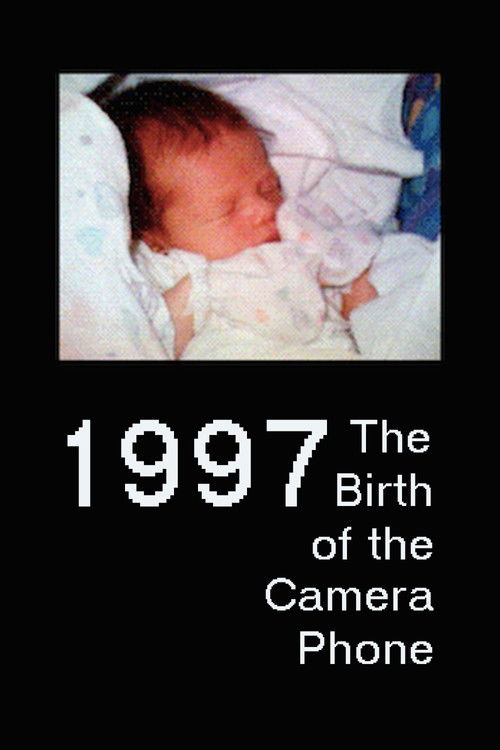
On June 11th, 1997, Philippe Kahn created the first camera phone solution to share pictures instantly on public networks. The impetus for this invention was the birth of Kahn's daughter, when he jerry-rigged a mobile phone with a digital camera and sent photos in real time. In 2016 Time Magazine included Kahn's first camera phone photo in their list of the 100 most influential photos of all time.