Movie· 2018· Released
1948
tmdb
Documentary
Provider ★ 0.0·0 tracking
Canonical catalog
1000 titles
Two films that create one work about the 1948 War of Independence unfold along two axes. One in the past, retelling the events of the war through journals and letters that were written in real time – an ensemble of voices, Jewish and Arab, that create a human story about that dramatic war and allow a glimpse into the way the perception of this war was constructed on both sides. They’re accompanied by breathtaking original footage, a great part of it being shown for the first time. In the present, the characters are battling over the war’s memory – researchers, archivists, members of the unit for detecting missing soldiers. Some are charges with maintaining the ethos, other with its deconstruction. Each one of them believes that how memory of this crucial war will be embedded is critical to the future of our lives here in Israel.
The shocking story of the establishment of the state of Israel told from the perspective of those who lived through the end of the British Mandate for Palestine in 1948.
Documentary about the inauguration of Queen Juliana on September 6, 1948, presented by Philip Freriks, and produced by NOS Projecten.
The 1949 deportations were one of the most tragic aspects of contemporary Latvian history. 43,000 people were deported to Siberia for life, with 10,000 infants and children, elderly people, and even people raised from their deathbed among them. 4,941 persons perished. Every fourth deportee was a child. Every sixth deportee was 60 or older.
Presentation of the economic upswing in the GDR, emphasizing the discovery of the process for the production of high-temperature lignite coke and the commissioning of the Lauchhammer large-scale coking plant.

Boxing was an iconic sport discipline at the time of Poland’s first post-war world championship in boxing. In ruined Warsaw, a legendary coach, Feliks Stamm, must rebuild the Polish boxing squad to face the most powerful team in the world – that of the USSR.
Documentary covering the 1954 World Championships of alpine ski, nordic ski and ice hockey, all of which were held in Sweden.
This documentary chronicles the 1955 Brooklyn Dodgers/New York Yankees World Series, and is based upon the poem, "1955" by James T. Crawford.
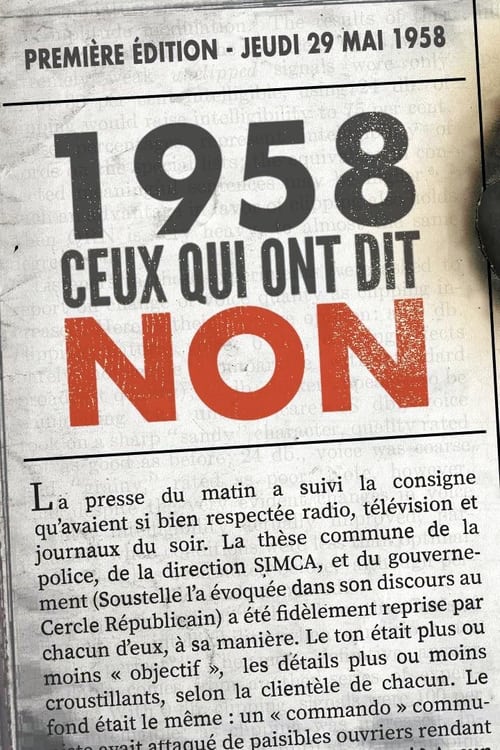
On October 4, 2018, France celebrated the 60th anniversary of the Fifth Republic. It is a republic born in the throes of the Algerian War and one which—from the day it was founded by General de Gaulle until the presidency of a very Jupiterian Emmanuel Macron—has been assailed as a “Republican monarchy” by partisans of a more assertive parliamentarian state. By revisiting the struggle of those who dared oppose the new regime — only to suffer a crushing defeat on September 28, 1958, when they were barely able to garner 20% of the vote against the constitutional text — this film shines a powerful new light on the origins of the Fifth Republic and its consequences for the next 60 years. It is a constitutional debate that planted the seeds for a complete upheaval of the French political landscape, on the left in particular, and set the country in motion toward what would be called the Union of the Left.
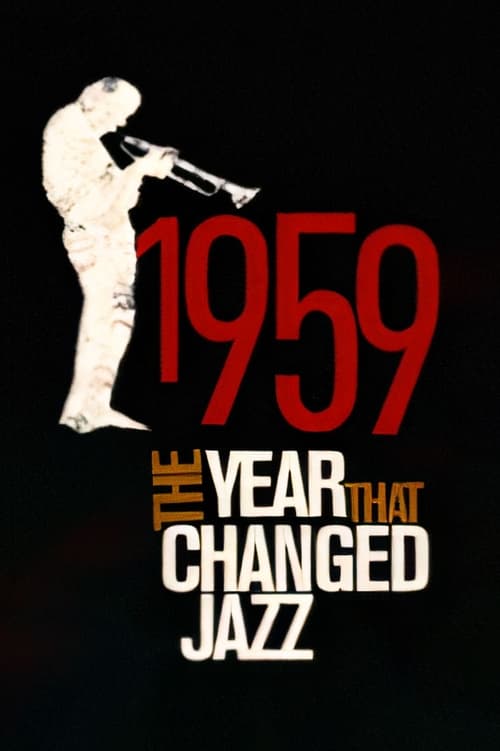
Archive performances and interviews explore the influence of the four major jazz albums made in 1959 by Miles Davis, Dave Brubeck, Charles Mingus and Ornette Coleman.
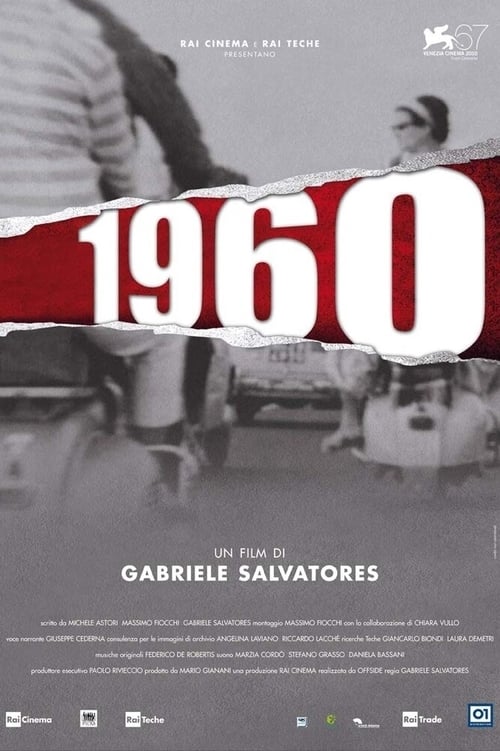
By presenting archive footage along with his own life story, filmmaker Gabriele Salvatores mediates an illustration of the economic boom in Italy during the 1960s.
Preparation, planning and construction for the Fair, under the imperious direction of Robert Moses.
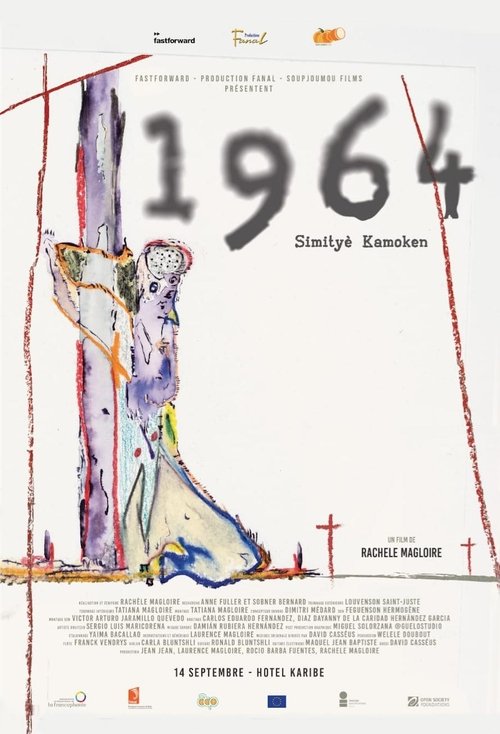
In 1964, following the landing of around thirty men intent on overthrowing him, the Haitian dictator Duvalier launched a campaign of terror to deter peasants from joining the rebellion, composed of men from the Southeast region where they had settled. Over 50 years later, the peasants recount their story for the first time.
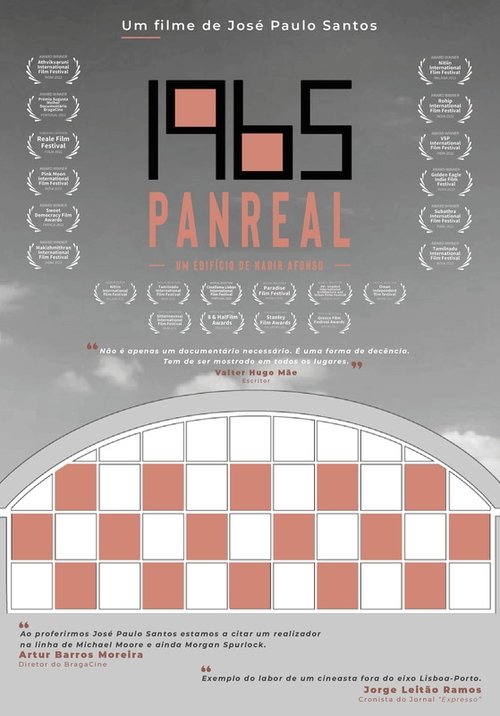
In 1965, a modernist building was built in the city of Vila Real, Portugal, by architect Nadir Afonso. Many memories are made of a bakery that once produced 80,000 loaves of bread a day. The authorities turned their backs on Panreal, contrary to countless stubborn citizens. The condemnation and the controversy went hand in hand.
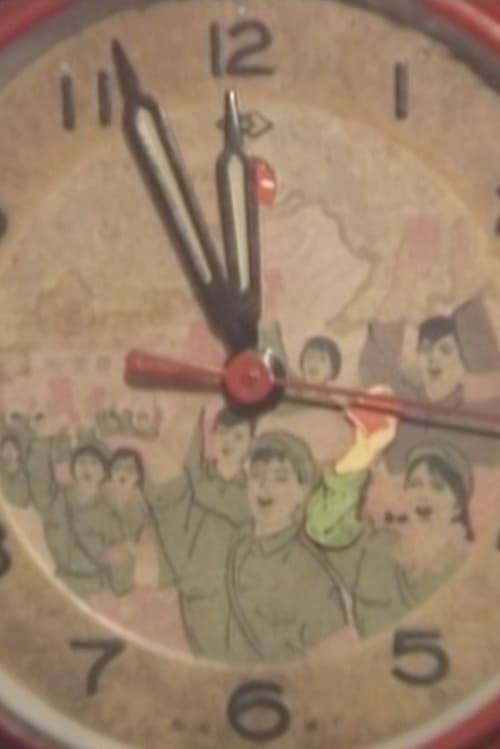
More preoccupied with "history" than Wu's other works, My Time in the Red Guards is a record of his fascination with the missed moment, Mao's Cultural Revolution. In 1966, the Red Guards ironically represented the official avant-garde, a movement carried forward by youth determined to become heroes of the Revolution. Wu interviews people who had joined the Red Guards as high schoolers, most now successful professionals, some Party members. The miscalculations and cruelties of this extreme cultural campaign are spread out before us, detailed by personal recollection and further illustrated by old agit-prop newsreels. Misgivings and fond remembrance vie for position as the interviewees seem to confuse the nostalgia of youthful action with the excesses of historical fact.
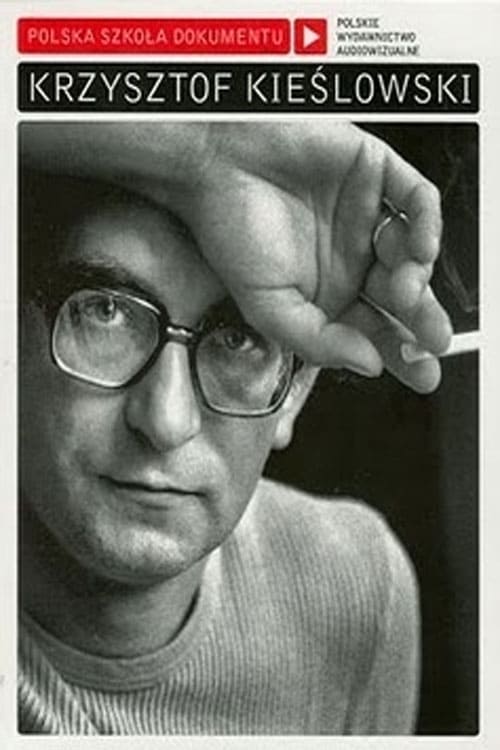
Documentary tracing the filmmaker’s work in Poland, from his days as a student through The Double Life of Véronique.