
Movie· 2023· Released
13 de septiembre de 1936
tmdb
Documentary
San Sebastian, October 2023.
Provider ★ 0.0·0 tracking
Canonical catalog
1000 titles
San Sebastian, October 2023.


A documentary that lifts the veil on the issues of construction, evolution and transmission of memory after the attacks in Paris and Saint-Denis.
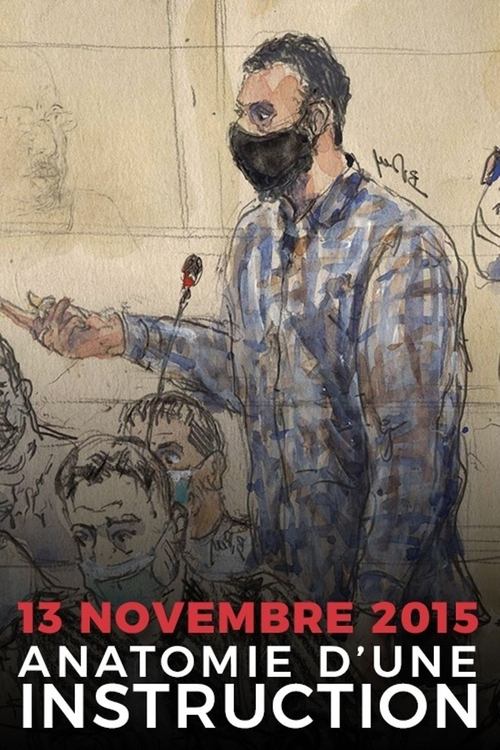
On November 13, 2015, ten months after the attacks on Charlie Hebdo and the Hyper Cacher at the Porte de Vincennes, three jihadist commandos, divided between the Stade de France, the Bataclan and the terraces of the 10th and 11th districts of Paris, spread death in the capital. How were these men, mostly French and Belgian, some of them actively sought, able to cross Europe and carry out their plans without being worried? Faced with the loopholes revealed by the attacks, fourteen European countries, supported by Europol and Eurojust, the EU's police and judicial cooperation agencies, pooled information and resources on an unprecedented scale to identify and track down the culprits, accomplices and sponsors of these attacks.


On November 13, 2015, the attacks in Paris and Saint-Denis, carried out by three Islamist commandos and claimed by ISIS, were the deadliest in France since the end of World War II. In the months that followed, the November 13 Program was launched by the CNRS and Inserm to study the construction of individual and collective memory around an event that profoundly marked French society. Today, the testimonies of 27 volunteers—among some 1,000 people—who participated in the study form a mosaic of experiences that shows how trauma extends beyond the immediate circle to permeate the national collective memory.

In November 2017, a devastating earthquake hit western Iran. It took only 13 seconds to lose everything. This is a fleeting observation of the days after the disaster.

In Costa Rica, the family of Melba (65) and Víctor (70) has sheltered over 130 children in the last 40 years. Today, some of them seek paths to adulthood while a new child is integrated into this great family with the adventures and difficulties of a home that continues to multiply despite the parents’ advanced age.
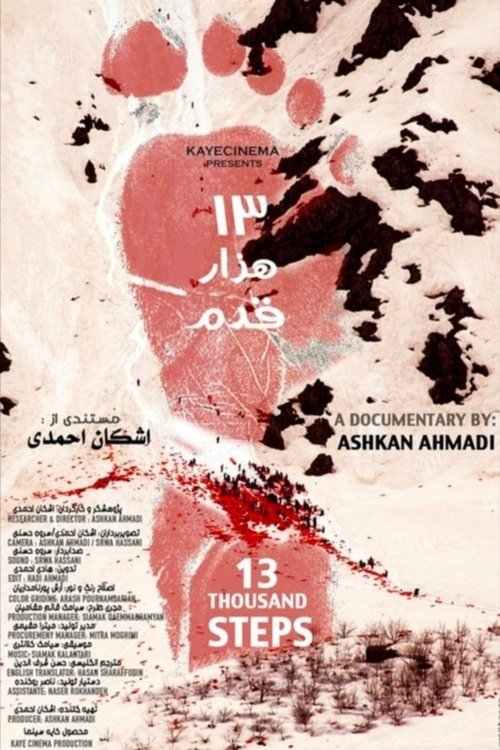
Nasser is a young boy who is engaged in "kulbari" in the mountains of Uramanat. He lives in a rural family, and one of his concerns is helping his elderly mother, who is suffering from cancer.
A poetic documentary that calls attention to beauty found in the details of the anachronistic and declining, and suggests that this particular variety of melancholy beauty is born of a withdrawal from the world's forward push. The protagonist of the film is a large 80-year-old food manufacturing/co-packing factory in San Francisco.

Vitor and Gustavo decided, in January 2020, to start a long-distance relationship, and were planning to meet again in a few months. Until COVID stopped them. This is the story of how they overcame the difficulties of time and distance through a lot of love and through Whatsapp audio messages.
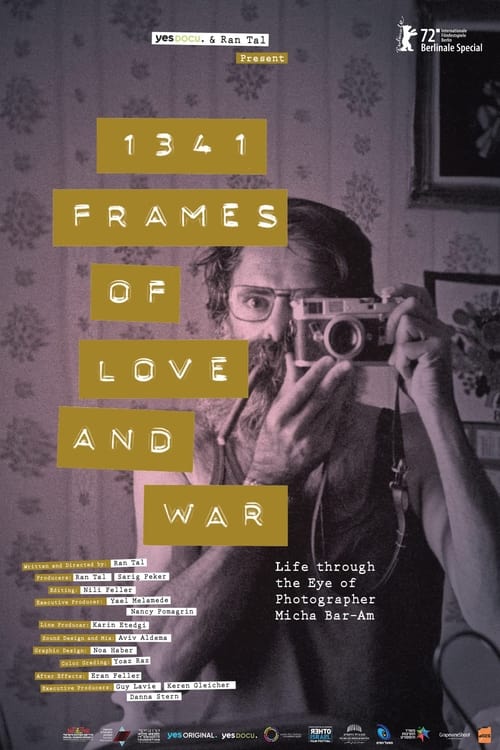
Israel's most celebrated war photographer, Micha Bar-Am, unfolds his extraordinary archive of over half a million negatives. A life devoted to recording a conflict for the prestigious Magnum agency.

In this documentary, law enforcement faces scrutiny as Americans demand justice after police violence claims multiple Black lives in Cleveland.

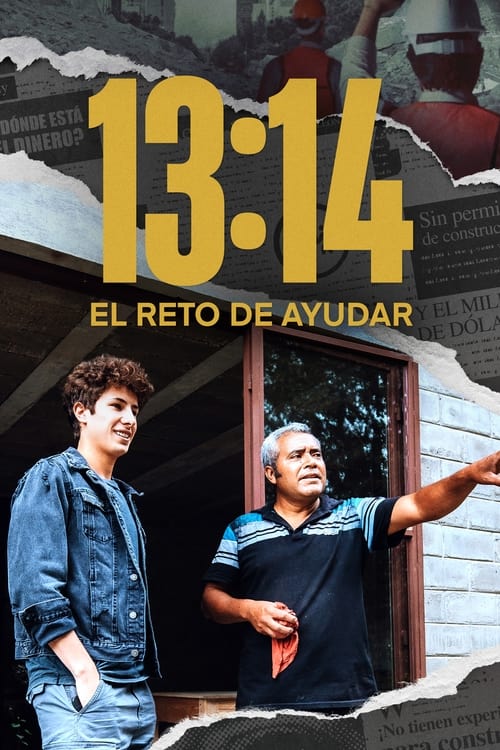
On September 19, 2017, at 1:14 p.m., an earthquake devastated Mexico City and its environs. Immediately, citizens mobilized to help, including the actor and youtuber Juanpa Zurita who quickly organized a group of friends that included singers, actors, content creators and other celebrities from the world of entertainment who helped him raise funds for the reconstruction of the city.



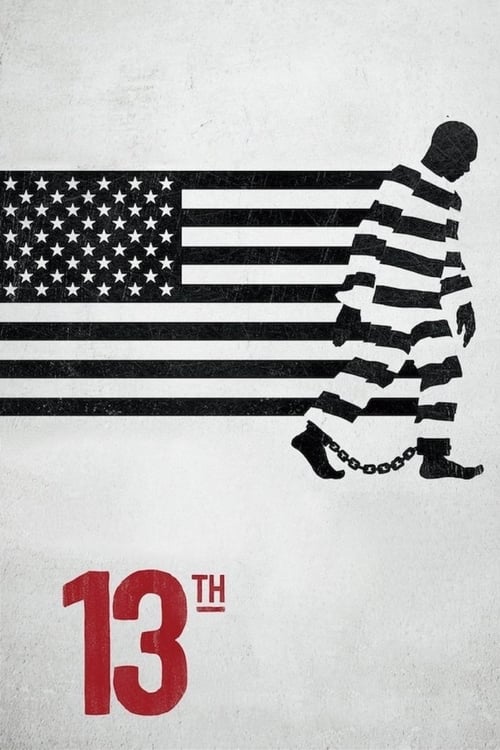
An in-depth look at the prison system in the United States and how it reveals the nation's history of racial inequality.

A historical documentary looking at the history of the Jersey Devil

In this 30-minute interview, Oprah Winfrey sits down with director Ava DuVernay to discuss her Oscar-nominated film, historical cycles of oppression and the broken prison system.

Wang Shin-hong is suffering from insomnia. A fortune teller advises the Mandalay businessman, whose car and bulging wallet suggest that business is going pretty well, to spend 14 days in a monastery, living life as a monk and eating an apple a day. Such a thing is possible in Burma today. Wang Shin-hong arrives at the rural monastery, has his head shaved and dons a red robe, in which he instantly becomes an authority. During the welcome procession, the village women, their poverty clear from their clothing and the huts in the background, put more than they have in his alms bowl. During his fleeting role as their advisor, Wang Shin-hong soon learns of the villagers’ attempts to survive and make a living as legal or illegal migrants in China, Thailand or Malaysia. He also finds out how the other monks try to generate profit and additional income.
A couple manages fourteen children.